About Orderly Ops

The IT and cybersecurity partner for organizations doing important work.

We're a cybersecurity consultancy and research institution based in North Bay, Ontario, with a single mission: to provide enterprise-grade protection to the nonprofits and small businesses that larger providers have priced out of the market.

Our Mission

Enterprise-grade security shouldn't be a luxury good.

Most cybersecurity providers built their pricing models around Fortune 500 customers, then offered "small business" tiers that small businesses still can't afford. Meanwhile, the same threats — ransomware, phishing, data theft — are increasingly aimed at the organizations least equipped to defend themselves. We exist to close that gap.

How We Started

Built from the realization that "small business" pricing wasn't actually for small businesses.

Orderly Ops grew out of years of watching nonprofits and small businesses receive cybersecurity quotes that would have consumed a meaningful share of their operating budget. The work was real — they needed it — but the economics didn't fit.

The bigger providers weren't wrong to price the way they did; their cost structures were built around enterprise sales cycles, enterprise SLAs, and enterprise legal teams. They simply weren't built for a $400K-budget nonprofit or a six-person professional services firm.

We started Orderly Ops to build a different kind of operation — one with a cost structure that matches the customers we serve. The technical work is the same caliber. The pricing is something nonprofits and small businesses can actually justify.

What We Believe

Four principles that shape every engagement.

These aren't taglines. They're operating constraints that affect what we do, what we don't do, and how we price.

01

Mission spending matters.

Every dollar a nonprofit spends on infrastructure is a dollar not spent on the people it serves. Every dollar a small business spends on overhead is a dollar not invested in growth. We price our work with that tradeoff in mind. Sometimes that means turning down work that doesn't fit; mostly it means making the math work for organizations that bigger providers won't quote.

02

Documentation is a deliverable, not a byproduct.

Every engagement produces artifacts our customers can actually use — policies, procedures, attestations, reports — written for the audience that needs them: boards, funders, insurance carriers, customers, auditors. Not deliverables that get filed and forgotten.

03

A real person, not a ticketing system.

When something feels wrong, our customers talk to someone who already knows their environment. No tier-1 queue. No ticket number to memorize. The point of being a smaller operation is being able to operate this way — and we plan to keep operating this way as we grow.

04

We say "no" when "no" is the right answer.

If a tool isn't necessary, we don't recommend it. If a problem doesn't require the engagement a customer is asking for, we'll say so. If we're not the right fit for an organization, we'll tell them — and often refer them somewhere better. Sustainable trust beats one-off revenue every time.

The Team

Small by design.

Orderly Ops is intentionally a small operation. The economics that let us serve nonprofits and small businesses don't survive the overhead of a large consultancy — and the kind of customer relationships we want to build are easier to maintain when the same person answers the discovery call, runs the engagement, and picks up the phone six months later.

Founder

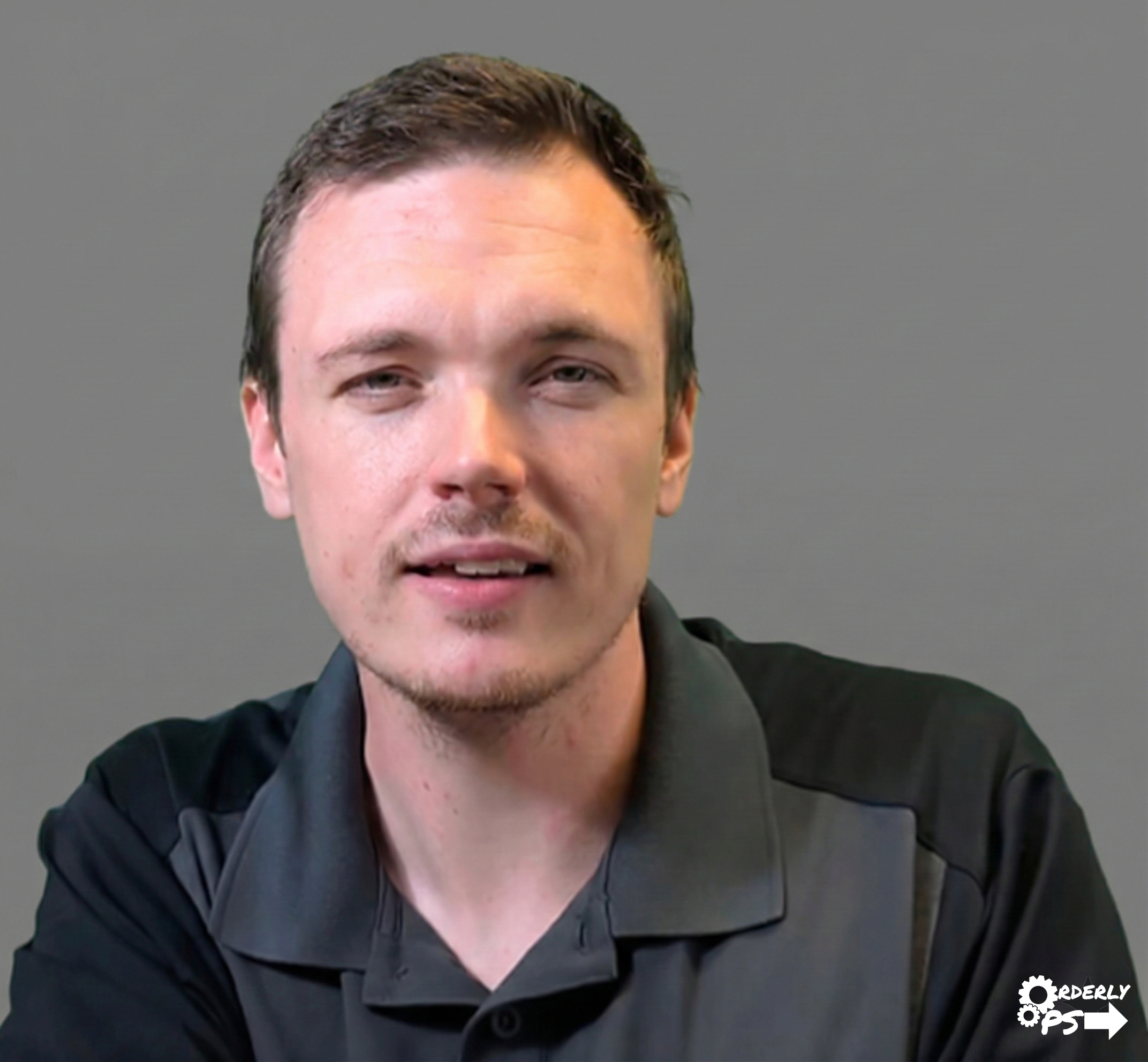
Dr. William Dunbar

Dr. Dunbar founded Orderly Ops to apply enterprise-caliber cybersecurity practices to the organizations he saw being underserved by the larger market. His background spans military service, academic research, and applied cybersecurity practice — and he holds an industry-recognized certification in cloud security.

He has published in the Communications of the ACM, teaches part-time at the post-secondary level, and produces ongoing research and educational content for the cybersecurity community.

PhD
AWS Certified
US Army Veteran
Published, CACM
Faculty

When work requires it, we engage trusted contractors and partner firms to extend our reach without diluting the relationship our customers have with us.

How We Work

Three things our customers can count on.

Plain language

We translate cybersecurity into the language of the people who need to act on it — executive directors, business owners, boards, and the staff who actually use the systems. Jargon is a barrier; we don't traffic in it.

Fixed-price scopes

We scope engagements as fixed-price commitments wherever possible. Our customers know what they're spending and what they're getting before the work starts. No hourly meters running quietly in the background.

Outcomes over outputs

A 50-page report no one reads isn't a success. A clear policy, a documented procedure, or a measurably reduced risk is. We measure engagements by the change they produce in the customer's organization — not by the deliverable's word count.

Where We Are

North Bay, Ontario — by design.

We're based in North Bay, Ontario. It's a meaningful choice. Northern Ontario has the same need for cybersecurity expertise as anywhere else, with substantially less access to it. Many of the customers we serve are in communities that wouldn't be a profitable account for a Toronto firm.

For customers within driving distance, we offer on-site delivery, in-person workstation setup, and the ability to actually show up when something needs hands on it. For customers further afield, we work remotely — and we still pick up the phone.

Our work spans Ontario and beyond. The mission isn't geography-bound; it's audience-bound.

Service Coverage

  • On-site: Within driving distance of North Bay, including Greater Sudbury, Parry Sound, Muskoka, and the Near North region.
  • Remote: Anywhere in Ontario, with most of Canada available on request.
  • Specialist engagements: Beyond Canada as travel and scope permit.
Let's Talk

Curious whether we're the right fit?

A strategy call is the best way to find out. It's free, it's 30 minutes, and you'll leave with an understanding of your current cybersecurity posture — whether we end up working together or not. If we're not the right fit, we'll say so.